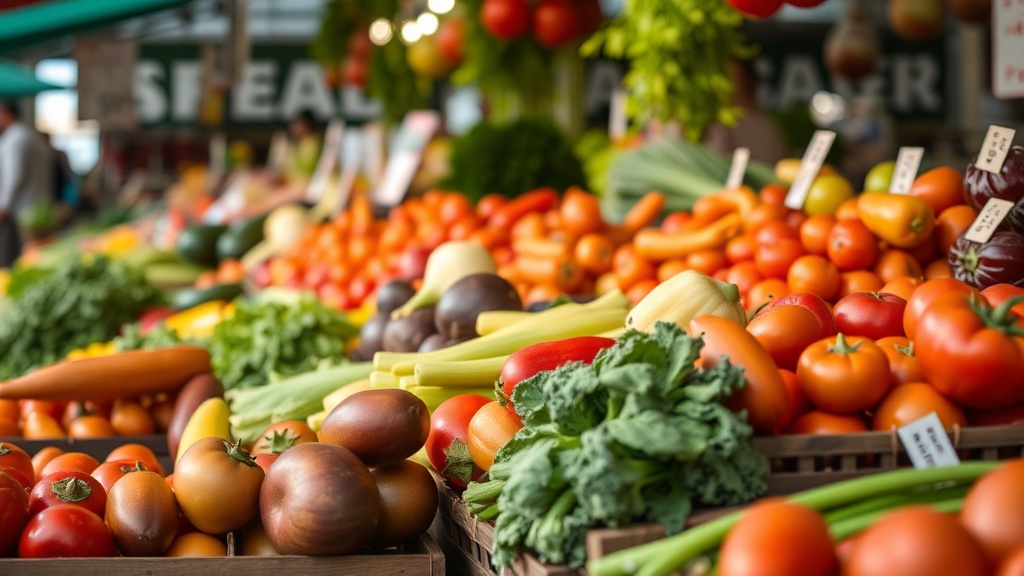
Finding the Best Seasonal Produce at Local Farmers Markets

Imagine walking through the Fredericton Farmers' Market on a crisp Saturday morning, holding a heavy canvas bag, and staring at a bin of heirloom tomatoes that look incredible but cost a small fortune. You want the best-tasting produce available in New Brunswick, but you also want to make sure you aren't overpaying or buying something that's going to wilt before you get home. This guide explains how to time your visits, what to look for in seasonal Atlantic produce, and how to identify high-quality goods from our local growers.
The seasonal rhythm in the Maritimes is short. We don't have the luxury of a long growing season like Ontario or Quebec, which means knowing exactly when certain crops hit their peak is the difference between eating mediocre berries and eating the best fruit of your life. We'll look at the specific windows for local crops and how to shop the stalls effectively.
When is the best time to shop for seasonal produce?
The best time to shop for seasonal produce is early in the morning on market days to secure the freshest picks and the widest variety before vendors sell out. If you show up at 12:30 PM, you might find the best-looking kale or the last of the strawberries are already gone. Most vendors at the Fredericton Farmers' Market arrive early to set up, and the most vibrant, high-demand items—like those specific high-bush blueberries—tend to move fast.
Here is a general timeline for what you can expect to find in the Fredericton area during a typical Atlantic Canadian year:
- Late June - July: The arrival of strawberries and early greens. This is when the local berry season really kicks off.
- August - September: Peak season for tomatoes, peppers, cucumbers, and stone fruits like peaches. This is the heavy hitter for local produce.
- October: The season for hardy root vegetables like carrots, beets, and potatoes, alongside squash and pumpkins.
- Winter: While the outdoor markets change, you'll see more preserved goods, root vegetables, and hearty greens that can withstand the cold.
Don't forget that the weather in New Brunswick can be unpredictable. A late frost can push the strawberry season back by a week or two. Keep an eye on local agricultural updates from local agricultural resources or even just follow your favorite vendor on social media. They'll often post updates when a new crop has just been harvested.
If you're looking for a caffeine boost before you start your rounds, you might want to check out some hidden coffee gems along the Saint John River to fuel your morning. It's a great way to start the day before hitting the market stalls.
How much does high-quality local produce cost?
High-quality local produce generally carries a slightly higher price point than supermarket-scale imports because of the smaller-scale production and shorter supply chains involved. While you might pay a premium for a pint of local raspberries compared to a generic brand at a big-box store, you are paying for flavor, nutrition, and the lack of long-distance transport-related degradation.
It's helpful to think of it this way: you aren't just buying a vegetable; you're buying the peak of its nutritional value. A tomato grown in a greenhouse in New Brunswick and sold two days later is going to have a much different profile than one that spent two weeks in a shipping container from overseas.
To help you budget, I've put together a rough comparison of what you might expect to see in terms of value:
| Produce Type | Typical Local Window | Value Proposition |
|---|---|---|
| Berries (Strawberries/Blueberries) | July - August | Highest flavor; highly seasonal; buy immediately. |
| Root Vegetables (Carrots/Potatoes) | September - October | Greatest longevity; excellent for winter storage. |
| Leafy Greens | June - September | High nutrient density; best when eaten fresh. |
| Squash/Pumpkins | Late August - October | Long shelf life; perfect for autumn cooking. |
One thing to keep in mind: prices will fluctuate based on the weather. If we have a particularly wet July, the price of berries might spike due to lower yields. That's just the reality of farming in the Atlantic provinces. It's worth noting that buying in bulk (like a larger bag of potatoes or onions) is often much more economical for your weekly grocery bill.
How can I tell if produce is truly fresh?
You can tell if produce is fresh by using your senses—looking for vibrant color, feeling for firmness, and smelling for a natural, earthy aroma. For example, a tomato should feel heavy for its size and have a slight give but shouldn't be mushy. If it's soft or has a fermented smell, it's past its prime.
When you're standing at a stall, don't be afraid to engage. Most vendors are happy to answer questions. If you're unsure about a certain variety of kale, ask them how it should be stored or how long it will last in your fridge. They are the experts. They know exactly when that batch was picked.
Here are a few specific tips for different categories:
- Leafy Greens: Look for bright, crisp edges. If the leaves are limp or have dark, slimy spots, leave them behind.
- Root Vegetables: Check that they are firm and free of soft spots. A little bit of dirt is actually a good sign—it means they haven't been overly processed or washed with chemicals.
- Stone Fruits: They should have a pleasant, sweet scent. If they smell like alcohol or vinegar, they are overripe.
- Berries: Avoid any containers that have juice pooling at the bottom. This is a clear sign of mold or bruising.
I always carry a small reusable bag with me for the smaller, more delicate items. There's nothing worse than getting home and realizing your raspberries were crushed under a heavy bag of potatoes. It's a simple mistake, but it happens to the best of us.
If you find yourself looking for more than just produce—perhaps some artisanal breads or local honey—the market is the place to do it. The diversity of products is what makes the Fredericton scene so special. You aren't just shopping; you're participating in the local economy. Every dollar spent at these stalls stays much closer to home than it would at a national chain.
One final tip: keep an eye on the "ugly" produce. Sometimes, a vegetable might look a bit weird—a crooked carrot or a slightly bumpy pepper—but it's often much cheaper and just as delicious. Don't let aesthetics stop you from getting a great deal on something that will taste amazing in a stew or a stir-fry.
Steps
- 1
Check the Seasonal Calendar
- 2
Arrive Early for Best Selection
- 3
Bring Reusable Bags
- 4
Ask Vendors About Harvest Timing