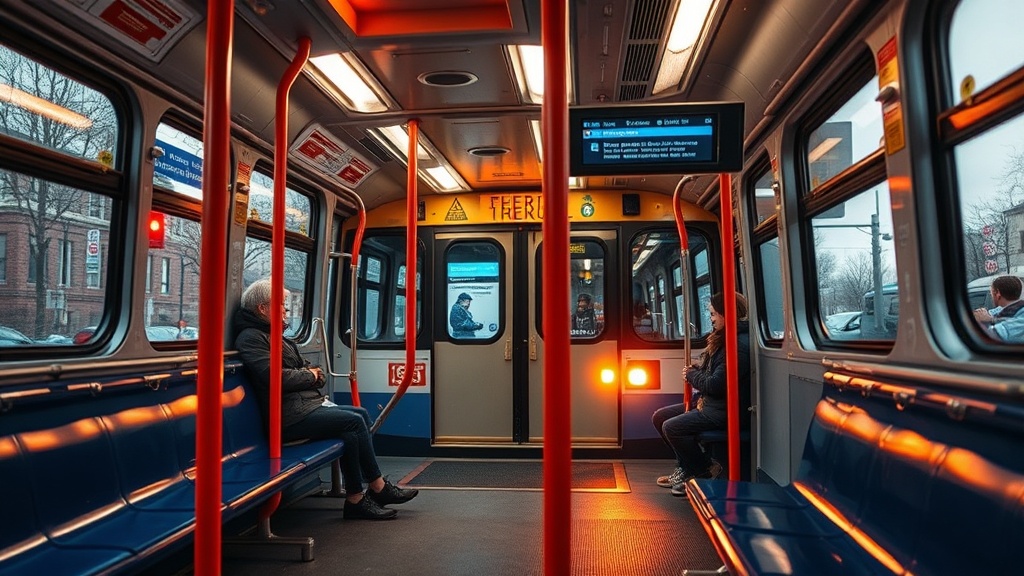
How to handle the Fredericton Transit System Like a Local

What Does This Guide Cover (and Why Bother Reading)?
This guide covers everything you need to know about getting around Fredericton using public transit—whether you're commuting to work, heading to the farmers' market, or meeting friends downtown. Fredericton's bus system isn't the most extensive in Atlantic Canada, but it's reliable, affordable, and (once you understand the quirks) surprisingly efficient for daily life in our city. You'll learn route patterns, fare options, real-time tracking tools, and the local tips that separate seasoned riders from confused newcomers standing at the wrong stop.
What Routes Serve Downtown Fredericton?
The 10, 11, 12, 13, 14, 15, and 16 routes all converge on the downtown core, making the Kings Place Transit Terminal the beating heart of Fredericton transit. Most routes run every 30–40 minutes during weekday peak times, dropping to hourly service on evenings and weekends.
Here's the thing—downtown Fredericton is compact enough that you can walk most of it, but the buses really shine when you need to get from the uptown malls to the Garrison District or from the UNB campus to the Justice Building on Queen Street. The terminal itself sits right behind Kings Place Mall on King Street, with indoor waiting areas (a blessing in February) and digital displays showing departure times.
The 16 route is your workhorse for cross-town trips. It runs from the Northside (Devon and Barker's Point) across the Westmorland Street Bridge, loops through downtown, and continues up to Regent Mall and the Corbett Centre. If you live in Marysville or Nashwaaksis, the 11 and 12 routes connect you to the terminal with stops at key locations like the Brookside Mall and the Hugh John Flemming Bridge.
Worth noting: route numbers in the 10s generally serve the central city, while 20s and 30s extend to outlying areas. Don't assume this is universal though—Fredericton Transit has changed its numbering scheme twice in the past decade, and long-time residents still accidentally call the 16 by its old name (the "Silverwood" route).
Key Stops Every Fredericton Rider Should Know
- Kings Place Terminal — The main hub. All routes connect here.
- Regent Mall — Major shopping destination; transfer point for southside routes.
- UNB Campus — Heavy student traffic; buses run every 15 minutes during fall and winter semesters.
- Brookside Mall — Northside commercial centre; connects to multiple routes.
- Devon — Historic neighbourhood with river views; limited Sunday service.
- Oromocto Connection — Route 31 links Fredericton to CFB Gagetown (limited weekday service).
How Much Does Fredericton Transit Cost?
A single cash fare costs $2.75 as of 2025, with discounted rates at $2.25 for seniors, students, and children. Monthly passes run $75 for adults and $60 for eligible discount riders—worth it if you're taking more than 27 trips per month.
The catch? Fredericton Transit still operates on exact cash or pass only. No debit, no credit cards on board, and (unlike Moncton or Saint John) no smartphone tap-to-pay yet. You'll need loonies, toonies, and quarters—or better yet, buy a monthly pass at City Hall, the Kings Place customer service desk, or participating convenience stores around town.
Students at UNB and STU ride free with their student ID during the academic year. This isn't widely advertised to the general public, but it's been in place since 2020. If you're a student, flash your valid ID card and walk right on. Everyone else should consider the Fredericton Transit fare programs for potential savings.
For regular commuters, the 10-ride ticket booklet ($25) offers modest savings without the monthly commitment. These booklets are available at City Hall (397 Queen Street) and select retailers including the Corner Store on Regent Street and the Superstore pharmacy counter.
| Fare Type | Cost | Best For |
|---|---|---|
| Cash (single ride) | $2.75 | Occasional riders |
| Discount cash | $2.25 | Seniors, students, children |
| 10-ride ticket | $25.00 | Weekly commuters |
| Monthly pass | $75.00 | Daily riders |
| Discount monthly | $60.00 | Eligible seniors/students |
When Do Fredericton Buses Actually Run?
Weekday service starts around 6:15 AM from most terminals and runs until approximately 11:00 PM. Saturday service begins later (around 7:00 AM) and ends earlier, while Sunday and holiday service is severely limited—some routes don't run at all, and others operate on hourly schedules from 10:00 AM to 6:00 PM.
That said, Fredericton Transit has improved its Sunday service significantly since 2022. The 16 and 11 routes now run year-round on Sundays, which means you can get from the Northside to downtown for the Garrison Night Market or a Boyce Farmers' Market run without needing a car. Just check the schedule first—Sunday buses come once an hour, and missing the 4:15 PM departure means waiting until 5:15 PM or calling a cab.
The real headache for Fredericton riders isn't the hours—it's the headways. Thirty to forty minutes between buses is standard, which means a missed connection can cost you your lunch break. Smart locals build buffer time into their plans, especially when transferring at Kings Place. The posted schedules are generally accurate (within 2–3 minutes), but traffic on the Westmorland Street Bridge or around the UNB campus during move-in week can throw everything off.
Route Frequency Overview
- Peak weekday (7–9 AM, 4–6 PM): 15–30 minutes on major routes
- Midday weekday: 30–40 minutes
- Evening weekday: 30–60 minutes
- Saturday: 40–60 minutes
- Sunday: 60 minutes (limited routes only)
What Apps and Tools Work for Fredericton Transit?
The official Fredericton Transit website offers printable PDF schedules, but most locals use third-party apps for real-time tracking. Transit App and Moovit both support Fredericton with live GPS data showing exactly where your bus is—which matters when it's -20°C and you're deciding whether to wait at the shelter or grab coffee.
Here's the thing about real-time data in Fredericton: it works well on the main routes (10–16) but can be spotty on the outer routes like the 31 to Oromocto or the 215 to New Maryland. If you're catching a bus from Lincoln or Keswick Ridge, the scheduled time is often your best bet. The city has been upgrading its GPS fleet, but older buses on peripheral routes sometimes drop off the tracking map entirely.
Google Maps includes Fredericton Transit directions, but experienced riders often cross-check against the official route schedules. Google's algorithms don't always account for Fredericton's bridge traffic or the seasonal schedule changes that kick in every September and January. Worth noting: the city posts service alerts on its website and Twitter/X account (@FredTransit), particularly during snowstorms or road construction.
For the technically inclined, Fredericton Transit data is available through the GTFS feed—useful if you're building your own transit app or want to analyze route efficiency. Several local developers have created unofficial tools over the years, though most have faded away as the commercial apps improved.
What Local Tips Make Fredericton Transit Easier?
Signal your stop early—Fredericton bus drivers won't stop unless they see you standing or the bell is pressed well in advance. This isn't Toronto or Montreal where every corner is a stop. In residential neighbourhoods like Skyline Acres or Nashwaaksis, drivers will roll right past you if you haven't made eye contact or pulled the yellow cord.
The Westmorland Street Bridge is your friend and enemy. It's the only direct connection between the Northside and Southside, which means every cross-town bus funnels through it. During rush hour or the Harvest Jazz & Blues Festival, bridge traffic can add 10–15 minutes to your trip. Locals know to check the city's road conditions page before committing to a bus that crosses the river.
That said, some of the best riders in Fredericton are the regulars on the 16 route—the "Devon Express" crowd who've been riding the same buses for decades. They know which drivers wait an extra 30 seconds if they see you running, which stops have the least shelter from the wind, and exactly how long it takes to get from the Northside to downtown during a snowstorm (answer: longer than you'd think, but the buses usually keep running when everything else shuts down).
Transitchek—the pre-tax transit benefit program—is available through many Fredericton employers, including the provincial government and UNB. If your workplace offers it, you can save roughly 30% on monthly passes by deducting the cost before taxes. Ask your HR department; many local employers don't advertise this benefit.
Winter Survival Tips
Fredericton winters are no joke, and transit riders feel it more than most. The good news: buses generally run on time even in heavy snow. The bad news: you might be waiting outside at a stop with minimal shelter. Dress for it—transit stops at major intersections like Regent and Prospect or Main and Queen have shelters, but neighbourhood stops are often just a signpost on the sidewalk.
During ice storms or severe weather, check for service cancellations before heading out. Fredericton Transit will post updates on their website and local radio stations (CIBX-FM 106.9 or CKHJ-FM 1260). Unlike larger cities, Fredericton doesn't have underground transit or extensive heated waiting areas—when the weather turns brutal, the Kings Place terminal becomes a refuge for riders warming up between connections.
One final tip for newcomers: learn the transfer rules. Transfers are free and valid for 90 minutes, but you must request one when you board (not when you exit). The paper transfer slip has the expiration time printed on it—hold onto it, as drivers do check, especially on busy routes where fare evasion tempts some riders. Keep your transfer, catch your connection, and you'll move through Fredericton like you've lived here for years.
Steps
- 1
Download the Transit app and plan your route
- 2
Understand fares, passes, and payment options
- 3
Know the major routes and transfer points