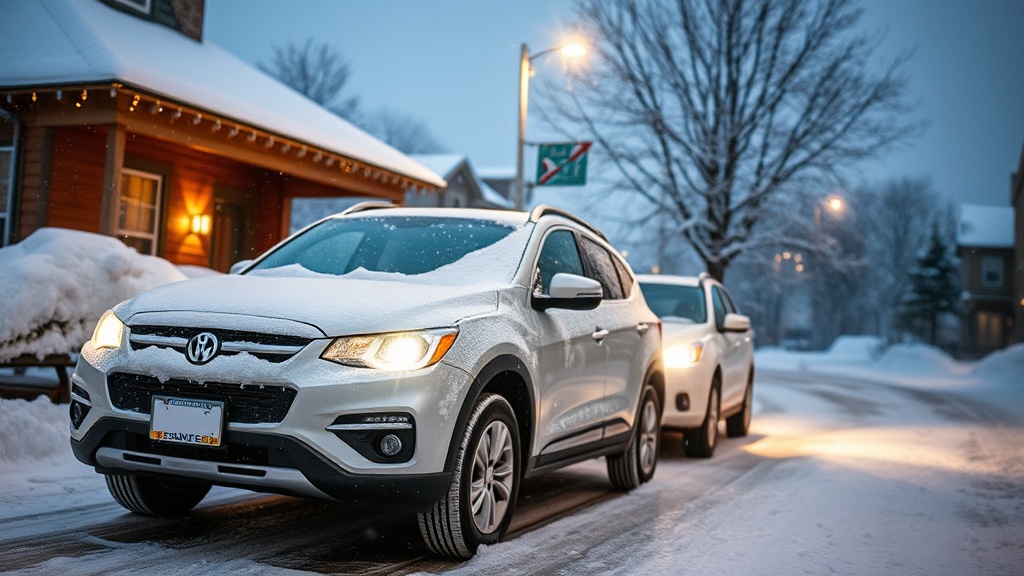
How to Prepare Your Home and Vehicle for Fredericton's Winter Months

What Makes Fredericton Winters Different from the Rest of Canada?
Here's something that surprises newcomers to our city — Fredericton receives an average of 265 centimetres of snow annually, more than Montreal, Toronto, or even Ottawa. We're not just dealing with snow here on the Saint John River; we're contending with freeze-thaw cycles, ice storms that knock out power for days, and temperatures that can swing from -25°C to above freezing within a single week. Living through a Fredericton winter requires preparation that goes far beyond buying a decent coat. Our location in the Saint John River valley creates unique microclimates — the downtown core can be slushy while York Street sits under a thick blanket of snow. Understanding these patterns isn't about comfort; it's about keeping your home safe, your car running, and your family warm when the next nor'easter barrels through Atlantic Canada.
How Do You Winterize a Fredericton Home on a Budget?
Let's start with the basics that every homeowner and renter on the north or south side needs to know. Your heating bill in Fredericton can easily triple between November and March if you're not careful — and with energy costs what they are, that's real money coming out of local pockets.
First, check your windows. Older homes in neighbourhoods like Devon or Marysville often have single-pane windows that bleed heat. You don't need to replace them all at once — head to Kent Building Supplies on Main Street or Home Hardware on Prospect Street for window insulation kits. They're cheap, effective, and you can install them yourself in an afternoon. The trick is using a hair dryer properly to shrink the plastic tight — loose plastic is nearly useless.
Next, your doors. If you can slide a piece of paper under your front door, you're losing heat. Draft stoppers cost under ten dollars at any hardware store in Fredericton, or make your own from old towels and rice. Don't forget the door to your basement or attached garage — that's often the biggest leak in the house.
Your pipes are the next concern. When temperatures drop below -15°C for several consecutive days — which happens regularly in January and February here — pipes in exterior walls can freeze. Open cabinet doors under sinks to let warm air circulate. If you live in one of the older homes near the Bill Thorpe Walking Bridge or in the downtown heritage district, consider leaving a trickle of water running on the coldest nights. Yes, it costs a bit on your water bill, but it's cheaper than calling a plumber when your pipes burst at 2 AM.
Finally, know where your main water shut-off valve is. Every Fredericton homeowner should locate this before the first freeze. If a pipe does burst, you'll have minutes — not hours — to prevent serious flooding damage.
What Belongs in Your Fredericton Winter Emergency Kit?
Ice storms are a fact of life here. In 2008, parts of Fredericton were without power for nearly two weeks. The 2017 ice storm left thousands in the dark. You cannot assume that someone else will take care of you when the power goes out.
Your home emergency kit needs enough supplies for 72 hours minimum. That means three litres of water per person per day, non-perishable food you can eat without cooking, flashlights with fresh batteries, and a battery-powered radio. Don't rely on your phone for emergency information — cell towers can go down too, and your battery won't last forever.
Keep a corded phone in your emergency kit. Old technology, but it works when the power's out if you still have a landline. If you're on the UNB or STU campus area, know that the university buildings often serve as warming centres during extended outages — but you need to be able to get there safely.
Your car kit is equally important. Every vehicle in Fredericton should carry a blanket, extra warm clothing, a candle in a metal tin (with matches), and a small shovel. Yes, a candle in your car can keep you from freezing if you get stuck. The Trans-Canada Highway sections near Fredericton can become treacherous quickly, and if you slide into a ditch on a remote stretch, you might wait hours for help.
Keep your gas tank at least half full throughout winter. Condensation builds up in near-empty tanks and can freeze your fuel lines. Carry jumper cables — cold weather kills batteries, and you'll help someone else or they'll help you.
How Can You Navigate Fredericton Roads Safely During Winter Storms?
Fredericton's snow removal is generally solid — city crews work hard — but they're dealing with over 700 kilometres of roads, streets, and sidewalks. Priority routes like Prospect Street, Regent Street, and the Westmorland Street Bridge get cleared first. Residential streets in neighbourhoods like Nashwaaksis or Silverwood can wait a day or two after a major storm.
Invest in winter tires. All-season tires harden below 7°C and lose grip. Winter tires are mandatory by law in Quebec for good reason, and while New Brunswick hasn't followed suit, the safety difference is real. Local tire shops like Walmart on Two Nations Crossing or Canadian Tire on Regent Street often run sales in October — plan ahead, because by December the wait times are brutal.
Learn the alternate routes. When the Westmorland Street Bridge ices up or traffic backs up, knowing how to use the Bill Thorpe Walking Bridge for foot traffic — or the back roads through Marysville to get to the north side — can save you hours. The city posts road conditions and closures on their website and social media; check before you leave during active weather.
Give snowplows space. They're heavy, they can't stop quickly, and the drivers are doing their best. Stay back at least three car lengths. Never pass a snowplow on the right — that's where they're pushing snow, and visibility is zero.
Parking bans are real and enforced. When the city declares a snow removal operation, cars parked on designated streets must move or they'll be ticketed and towed. Watch for the orange lights on residential streets — that's your warning that plows are coming through overnight.
Where Can Fredericton Residents Find Help During Extreme Cold?
Our community has resources for those who need them. The Fredericton Public Library on Carleton Street serves as a warming centre during extreme cold warnings. The John Howard Society operates emergency shelter services. If you or someone you know is struggling with heating costs, the New Brunswick Low-Income Home Energy Assistance Program provides financial help — applications typically open in the fall.
Check on your neighbours. Fredericton is a city where people still know each other, especially in established neighbourhoods like Brookside or Skyline Acres. The elderly couple down the street might not be able to shovel their walk. The single parent working two jobs might not have time to winterize their car. A quick knock on the door, an offer to grab groceries, or help clearing snow — that's how we get through winter here.
The City of Fredericton maintains a list of community resources on their website, including the locations of sand/salt boxes for sidewalks. You're responsible for clearing the sidewalk in front of your property within 24 hours of a snowfall — it's municipal bylaw, but more importantly, it's about keeping our community mobile and safe.
What Should You Know About Fredericton's Freeze-Thaw Cycles?
Perhaps the most destructive aspect of our winters isn't the cold itself — it's the repeated freezing and thawing. Water seeps into cracks, freezes overnight, expands, and thaws the next afternoon. This is what destroys our roads every spring (pothole season is real), damages foundations, and creates dangerous ice patches on sidewalks.
Keep your gutters clear. Ice dams form when melting snow can't drain properly, backs up under shingles, and leaks into your attic. Clean gutters in late November after the last leaves fall — you'll find plenty of services advertising in the Daily Gleaner or on local Facebook groups if you can't do it yourself.
Watch your foundation grading. Melting snow needs to drain away from your house, not toward it. If you notice water pooling near your foundation during thaws, address it before spring rains compound the problem. Local landscaping companies like Scott's Landscaping or Atlantic Lawn Care can assess and fix grading issues, though book early — they're swamped by April.
Driveway maintenance matters too. Small cracks become big cracks after a Fredericton winter. Seal them in the fall with asphalt crack filler available at any hardware store. If you have a gravel driveway, stock up on fresh gravel in October — winter plowing displaces material, and you'll want to regrade in spring.
"Winter in Fredericton isn't something to survive — it's something to prepare for. The difference between a miserable March and a manageable one is the work you put in during October."
The bottom line? Our winters are long, occasionally brutal, and absolutely predictable. Every year, snow will fall. Pipes will freeze somewhere. Cars will slide off roads. The question isn't whether these things will happen — it's whether you'll be ready when they do. Start your preparations early, help your neighbours when you can, and remember that spring on the Saint John River really does come eventually. We've all made it through before, and with a little foresight, we'll all make it through again.